
Nutrition · 6 min read
Why protein matters more now, and how to get enough without fuss
By Lori Anderson · October 12, 2026
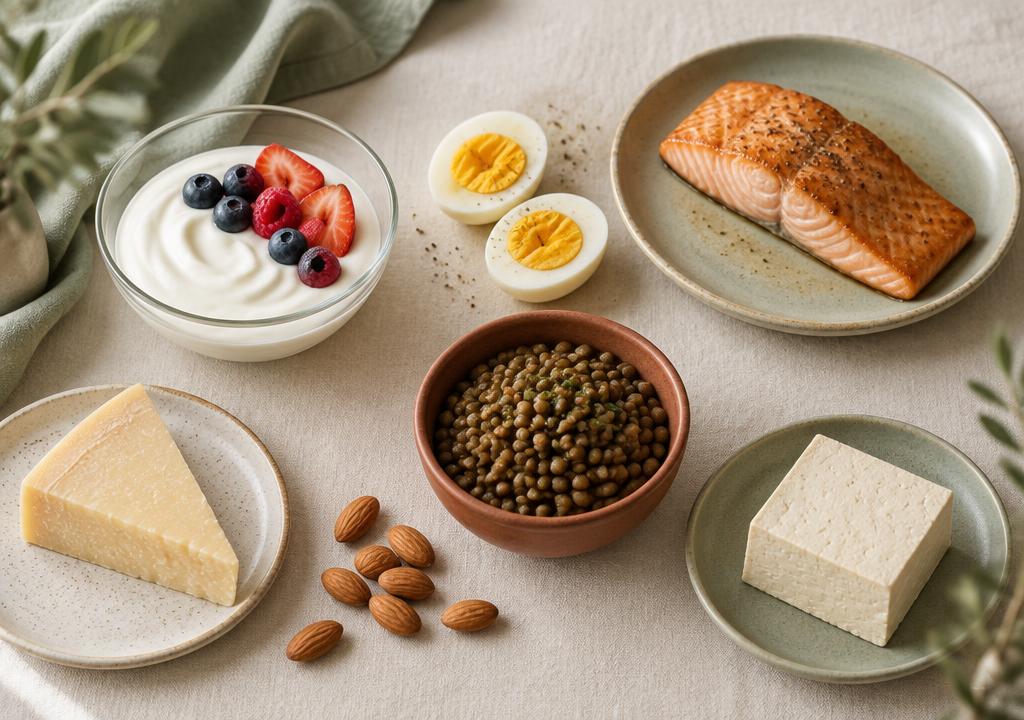
For most of our lives, protein is a background issue. A normal diet covers it and we never think twice. Then somewhere in our forties or fifties, the same habits stop holding: breakfast wears off by ten, the pants fit differently, and the strength we used to take for granted starts slipping. That isn't willpower failing. It's a real change in how the body handles protein.
Two things shift at once. First, muscle maintenance gets harder. After about 40 we lose muscle gradually year by year, and the drop in estrogen during perimenopause and menopause speeds that up. Second, the body becomes less efficient at turning the protein we eat into the muscle it keeps, something researchers call anabolic resistance. Put those together and the math changes: midlife bodies need more protein than they did, not less.
How much you actually want
The standard recommendation, about 0.8 grams of protein per kilogram of body weight, is a floor to prevent deficiency. It isn't a target for a strong, energetic midlife. Studies of adults in midlife and beyond consistently land higher, somewhere between 1.2 and 1.6 grams per kilogram a day, and closer to the top of that range if you're strength training.
In plain numbers: at around 150 pounds, that's roughly 70 to 100 grams of protein a day. Not a measuring-cups lifestyle. Just more intention than a coffee and a muffin provides.
- Aim for 25 to 30 grams at each main meal; that alone gets you most of the way
- A palm-sized portion of salmon, chicken, or tofu is about 20 to 30 grams
- A cup of Greek yogurt is around 17 grams, two eggs about 12, a half cup of lentils about 9
- Spread it across the day. Your body puts protein to better use in even doses than in one big dinner
What this looks like on an ordinary day
No meal plan required. A few familiar anchors do most of the work:
- Breakfast: eggs and yogurt, tofu scrambled with vegetables, or a smoothie with Greek yogurt and nut butter. Coffee and toast on their own won't carry you to lunch
- Lunch: tuna or chickpeas over greens, a chicken or lentil soup, or last night's salmon
- Dinner: a palm-sized portion of protein beside whatever else is on the plate, rather than protein as an afterthought
- Evening, if you're actually hungry: cottage cheese, a boiled egg, or a handful of almonds
A note on the rest of your plate
More protein doesn't mean less of everything else. Fiber, plants, and healthy fats still do essential work for your gut, your blood sugar, and your hormones. The goal is to add protein alongside them, not to crowd them out.
And if your appetite has drifted, or meat has started to feel unappealing, that's worth noticing rather than pushing through. Eggs, dairy, tofu, beans, lentils, and fish all count. There's no single correct source.
The part that surprises most people
When women raise their protein and start strength training, the first thing they mention is rarely the scale. It's that the afternoon fog lifts, that they aren't ravenous by four o'clock, that a week of travel doesn't undo them. Muscle is behind all of that, and protein is how you fund it.
If you'd like help figuring out what fits your life, without anyone handing you a meal plan you'll never use, my door is open. I read every message myself and reply the same day.
Want guidance that fits your body?
I work with women in midlife across Orange County and online. A discovery call is simply a conversation: no pressure, no jargon.
Book a discovery call